A Kid and Teenager’s Guide to Getting Published

Whenever I talk to kids and teenagers about writing, there are usually three questions that come up. How long have you been writing? What made you want to be an author? How do you get published? The first two questions are easy to answer; and let’s face it, people only ask them to be polite. (Since I was 14 and because it’s fun. There, I answered them).
People are really interested in the last one. For an author, to be published means a lot of things. Recognition. Encouragement. Relief. Relief most of all. Relief that all the creativity swirling around in your head, and all the effort it took to craft it into something real, wasn’t for nothing. So on to what matters: how kids and teenagers can get published.
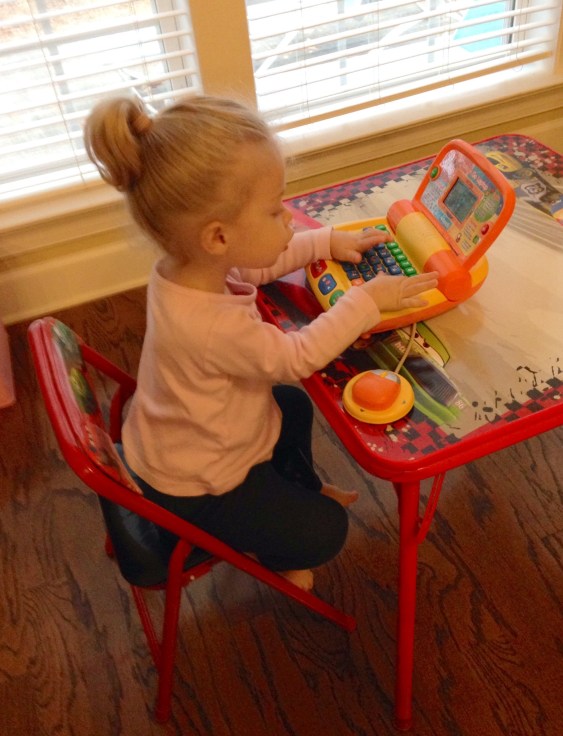
Hurry Up and Wait

So, my publication date has been pushed from November 2014 to the summer 2015.
At first I was all…
But then, I was like…
Maybe this isn’t such a bad thing after all. The marketing people from Ellechor have begun putting together my marketing package, and it’s enough to keep me busy for some time. I won’t bore you with the details, but suffice it to say answering all 100, 000, 000 questions for the author interview, compiling book-tour blog sites, and creating online profiles has been a bit overwhelming.
I also just finished the outline for the second book in the Sons and Daughters series…51 pages of notes, plots, subplots, and budding dialogue. I had always planned on finishing the novel before Daniel and the Sun Sword came out in November, but that deadline was starting to look unrealistic. It took me about 8 months to write the first novel, and then several months of editing. How was I going to do that while editing and marketing the first one? Not to mention being a husband, dad, working full time, whine, whine, whine. You get the picture.
Now, however, I’ll have plenty of time to work on marketing the first novel, finish the second, submit it for publication, and do all the other things my life requires.
Now, I’m all…
 .
.
(You can’t tell from the photo, but I have on my “I’m content” face).
The Poor Man’s Guide to Learning How to Write
You’ve got the most awesome idea for a novel, and you’re pounding away on your outline. The plot is so exciting that even you can’t wait to find out what happens next. No doubt it’ll blow everyone away, and the money’s going to be pouring in so fast old J.K. Rowling will be knocking on your door for a loan.
Pretty soon, all you’ll have to do is write the actual book and then get it published.
Wah. Wah.
Turning from the planning phase to the actual writing can be a downer, especially if it’s a first attempt at a novel. And, if you’re like most authors I know, you don’t have the time or money (or desire) to get an MFA in Creative Writing. Luckily, there are several very cost effective and efficient ways to begin learning how to craft your story.
Books
There are loads of books written on the art of writing, but here are the ones I’ve found the most helpful.
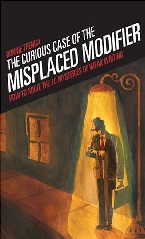
The Curious Case of the Misplaced Modifier: How to Solve the 10 Mysteries of Weak Writing by Bonnie Trenga is an easy to understand, humorous, and (happily) short book that will help you make sense of all those grammar rules you forgot you ever learned.
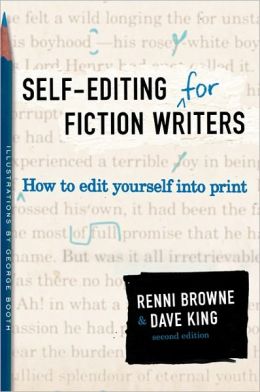
Self-Editing for Fiction Writers: How to Edit Yourself Into Print by Browne and King wittily explains how you can self-edit your manuscript and includes exercises on how to strengthen your writing.
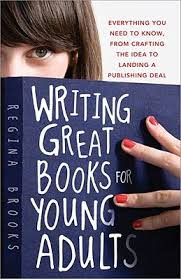
Writing Great Books for Young Adults by Regina Brooks will tell you everything you need to know about writing styles, plots, points of view, writing dialogue, and character development if you are targeting a young adult audience.
Critique Groups
If you really really really want to get published, find a creative writing group in your area that focuses on critiquing its members’ work. Nothing will improve your writing better than some constructive criticism.
If you aren’t fortunate enough to live in a city with a group, there are critiquing groups online. My favorite is authonomy.com. It’s free, easy to use, and has thousands of members desperate to trade critiques so they can improve their own standing on the site. What’s more, the five top-rated authors are reviewed for publication by Harper Collins each month. That’s a deal you can’t beat.

 Nathan Lumbatis